



Are unrefreshing naps associated with nocturnal sleep architecture specificities in idiopathic hypersomnia? - PubMed
Source : https://pubmed.ncbi.nlm.nih.gov/37392083/
Patients with unrefreshing naps have less fragmented sleep compared to those with refreshing naps. Future studies should investigate whether this group difference represents a weaker arousal drive.
Conclusion: Patients with unrefreshing naps have less fragmented sleep compared to those with refreshing naps. Future studies should investigate whether this group difference represents a weaker arousal drive.
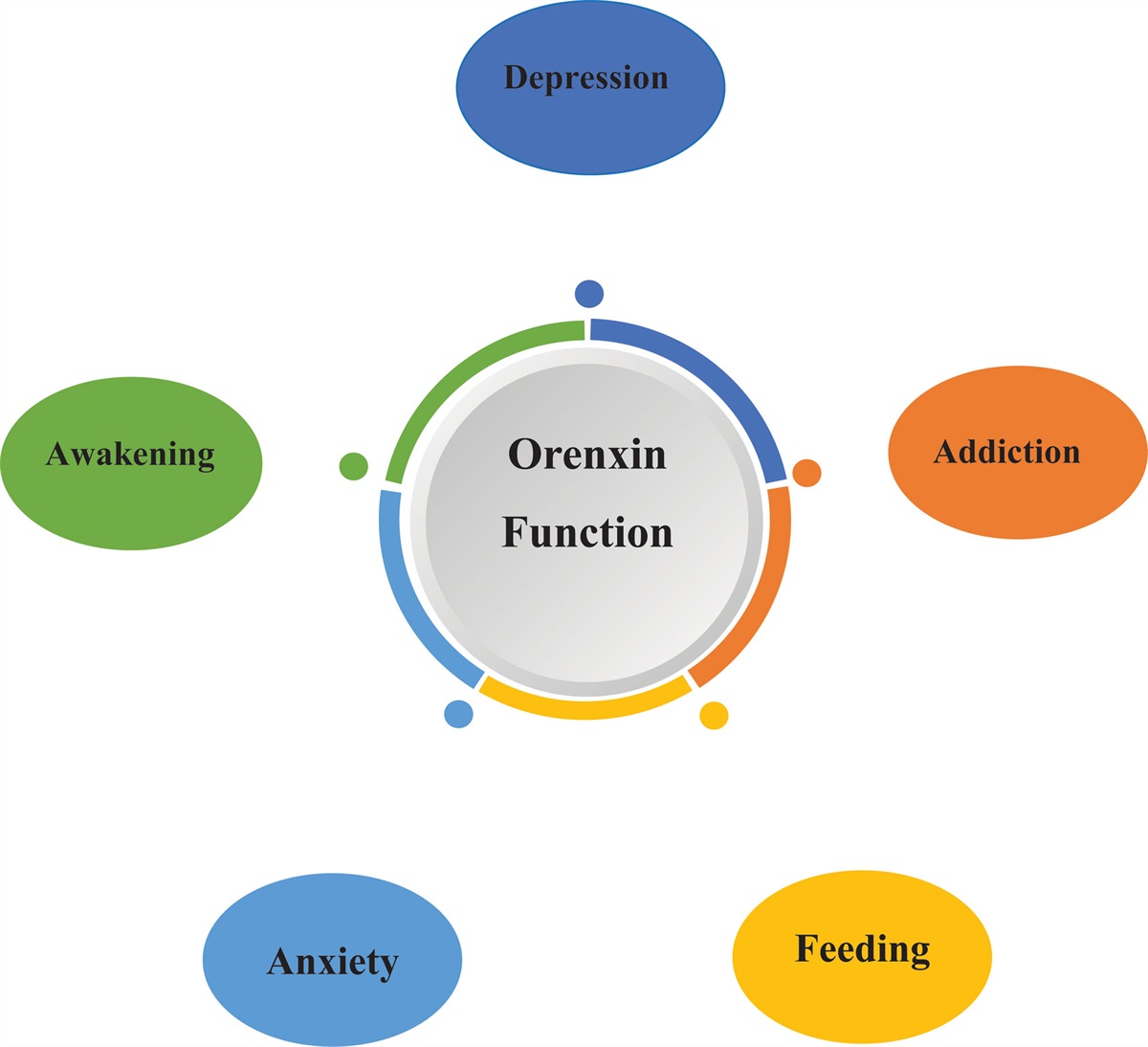
A review of physiological functions of orexin: From... : Medicine
Orexin neurons, as well as receptors, are widely distributed in various regions of the brain as well as in the peripheral system and have a wider range of functions. This...
Summary: Orexin plays a certain role in regulating food intake, maintaining arousal and regulating mood, but OX1R and OX2R have different physiological functions; So when designing drugs, should we choose single receptor or double receptor?

A scoping review of the evidence for the impact of pharmacological and non-pharmacological interventions on shift work related sleep disturbance in an occupational setting - PubMed
Source : https://pubmed.ncbi.nlm.nih.gov/37346814/
Background: Shift work is essential in society but can be detrimental to health and quality of life and is associated with decreased productivity and increased risk of accidents. Interventions to...
Conclusions: Interventions fell into three distinct groups investigated in distinct time periods without progression from efficacy trials to wider-scale interventions. The lack of consistent patient-reported outcome measures limits synthesising findings. Some trials focussed on optimising sleep, others on reducing wake-time sleepiness....

Functional recovery after ischemic stroke: Impact of different sleep health parameters - PubMed
Source : https://pubmed.ncbi.nlm.nih.gov/37338010/
Sleep disturbances after ischaemic stroke include alterations of sleep architecture, obstructive sleep apnea, restless legs syndrome, daytime sleepiness and insomnia. Our aim was to explore their impacts on functional outcomes...
Conclusion: Poorer functional outcomes at 3 months after a moderate to severe IS were associated with lower mean oxygen saturation, but not with AHI. Other parameters such as RLS, low TST and REM sleep, insomnia, depressive symptoms and fatigue were more frequent in patients with less favourable outcome. More prospective studies are needed...

Dual orexin receptor antagonists for the treatment of insomnia: systematic review and network meta-analysis
Source : https://www.thieme-connect.de/products/ejournals/abstract/10.1055/s-0043-1768667
To perform a network meta-analysis to evaluate the efficacy of different DORAs in patients with chronic insomnia.
Conclusion: Our results suggest that DORAs are associated with greater efficacy when compared with placebo in the treatment of insomnia, a complex 24-hour sleep disorder. Additionally, dosing might play an important role in the management of chronic insomnia.