


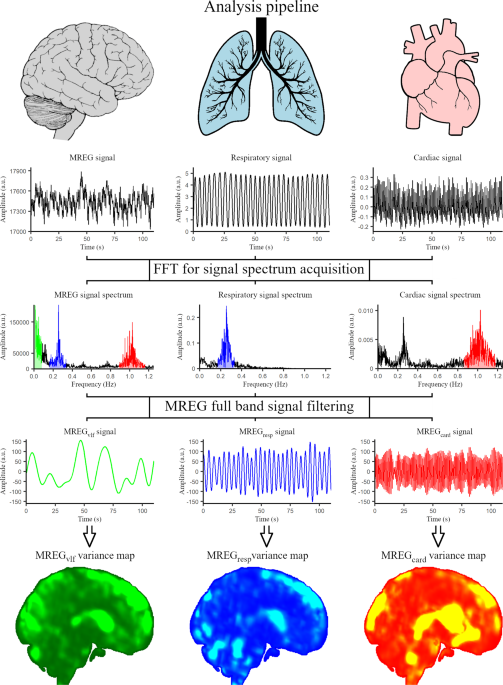
Increased very low frequency pulsations and decreased cardiorespiratory pulsations suggest altered brain clearance in narcolepsy - Communications Medicine
Source : https://www.nature.com/articles/s43856-022-00187-4
Järvelä et al. investigate if narcolepsy is associated with altered brain pulsations using ultrafast fMRI. They find differences in the brain pulsations between narcolepsy type 1 patients and healthy controls...
Conclusions: We suggest that our novel results reflect impaired CSF dynamics that may be linked to altered glymphatic circulation in narcolepsy type 1.

The Indirect Effects of a Mindfulness Mobile App on Productivity Through Changes in Sleep Among Retail Employees: Secondary Analysis
Source : https://mhealth.jmir.org/2022/9/e40500
Background: Chronic sleep disturbance is prevalent among United States employees and associated with costly productivity impairment. Mindfulness interventions improve sleep (ie, insomnia and daytime sleepiness) and productivity outcomes, and mobile...
Conclusions: We found that Calm (plus sleep coaching for a small subset of individuals) had beneficial effects on employee sleep, and these benefits on sleep were related to indirect effects on productivity impairment (ie, presenteeism, overall work productivity impairment, and non–work activity impairment). There were no overall main effects...
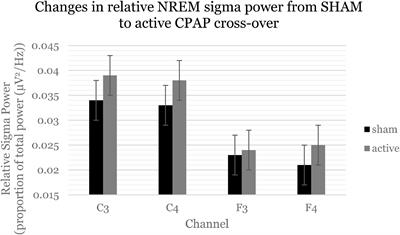
Effects of continuous positive airway pressure treatment on sleep architecture in adults with obstructive sleep apnea and type 2 diabetes
Source : https://www.frontiersin.org/articles/10.3389/fnhum.2022.924069/full
Obstructive sleep apnea (OSA) severely impacts sleep and has long-term health consequences. Treating sleep apnea with continuous positive airway pressure (CPAP) not only relieves obstructed breathing, but also improves sleep....
Conclusion/Relevance: These findings suggest that CPAP may preferentially enhance spindle activity and mitigate neurophysiological arousal. These findings inform the neurophysiological mechanisms of improved sleep with CPAP and the utility of quantitative EEG measures of sleep as a treatment probe of improvements in neurological and physical...
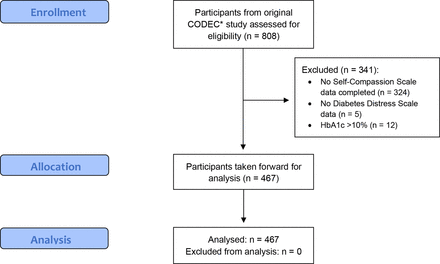
Self-compassion, sleep quality and psychological well-being in type 2 diabetes: a cross-sectional study
Source : https://drc.bmj.com/content/10/5/e002927
Introduction Low self-compassion and poor sleep quality have been identified as potential key predictors of distress in type 2 diabetes (T2D). This study investigated relationships between sleep behaviors (sleep duration,...
Conclusions: Daytime sleepiness and negative self-compassion have clear associations with DRD for people with T2D. The specific negative subscale outcomes suggest that strengthening individuals’ ability to mindfully notice thoughts and experiences without becoming enmeshed in them, and reducing a sense of separateness and difference, might be...

Solriamfetol Titration & AdministRaTion (START) in Patients With Narcolepsy
Source : https://www.clinicaltherapeutics.com/article/S0149-2918(22)00295-8/fulltext
Narcolepsy is a hypersomnolence disorder with an estimated US prevalence of 30.6 to 56.3 per 100,000 population.1,2 Excessive daytime sleepiness (EDS), a core symptom of both narcolepsy phenotypes (types 1...
Implications: In a real-world study, physicians initiated solriamfetol therapy at 75 mg/d for most patients with narcolepsy, adjusted dosages once, tapered stimulants, and abruptly discontinued therapy with wake-promoting agents.