


Patient Background:
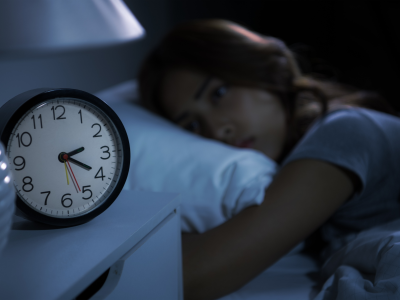
Ms. L is a 42-year-old woman who presents with a 10-year history of excessive daytime sleepiness that has progressively worsened over the past year. She reports an inability to stay awake during routine activities, including conversations and work tasks, despite obtaining 7–8 hours of nighttime sleep. Over the past 6 months, she has experienced brief episodes of sudden muscle weakness triggered by laughter and emotional stress, resulting in knee buckling and occasional falls without loss of consciousness. She also reports vivid dream-like hallucinations when falling asleep and intermittent sleep paralysis. Her medical history is notable for well-controlled hypertension.
Family History:
There is no known family history of narcolepsy or other sleep disorders. No psychiatric or substance use disorders are reported.
Assessment & Diagnosis:
Neurologic examination is unremarkable. Overnight polysomnography followed by a multiple sleep latency test (MSLT)…read more
demonstrates a mean sleep latency of less than 8 minutes with ≥2 sleep-onset rapid eye movement periods. These findings, along with her history of cataplexy, are consistent with narcolepsy type 1. Her symptoms significantly impair daily functioning and safety, particularly with driving and occupational tasks.
- Please provide a minimum of a 3 sentence response.
- What nonpharmacologic and pharmacologic strategies would you prioritize for managing excessive daytime sleepiness and cataplexy?
- How would you monitor treatment response and adjust therapy to balance symptom control with safety and functional outcomes?