



Unraveling the Mechanisms Underlying Disordered Sleep in Alzheimer's Disease
Source : https://www.jneurosci.org/content/43/47/7899.long
Alzheimer's disease (AD) is a neurodegenerative disorder characterized by the aggregation of β-amyloid and tau. While cognitive impairment is the primary clinical manifestation of AD, patients also experience noncognitive symptoms,...
Sleep is a promising target for treating those with Alzheimer disease or protecting individuals at risk.
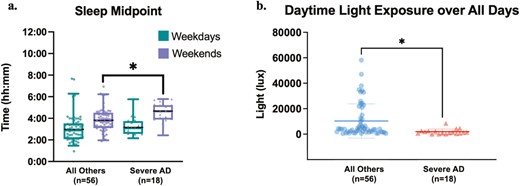
Severe Atopic Dermatitis, Sleep Disturbance, and Low Light Exposure
Atopic dermatitis (AD) is a chronic inflammatory skin disorder in children.
The objective of the researchers was to perform a cross-sectional study to determine whether there is an association between AD severity, recorded light exposure, and sleep measures in participants with AD and healthy controls.
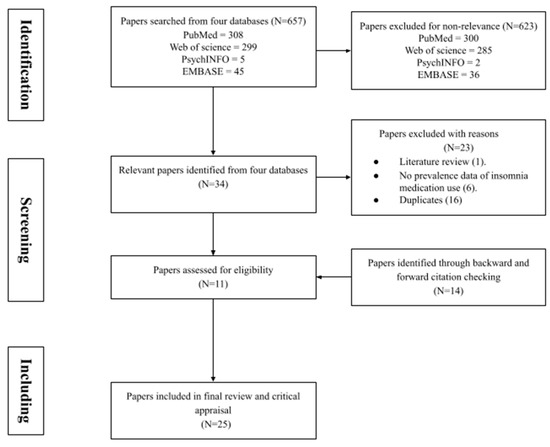
Insomnia Medication Use by University Students: a Systematic Review
Source : https://www.mdpi.com/2226-4787/11/6/171
Problematic sleep or insomnia has been a recognised issue for many individuals in society, and university students can be of particular concern due to unique academic pressures. A systematic review...
Female sex, students experiencing poor sleep, smoking, drinking stimulant beverages, and undertaking fewer physical activities were associated with the use of insomnia medication.

Association Between Sleep Quality and Cardiovascular Disease in Maintenance Hemodialysis Patients: a Prospective Cohort Study
Source : https://pubmed.ncbi.nlm.nih.gov/37936488/
The prevalence of poor sleep quality was 46.7% in patients with MHD. Poor sleep quality was an independent risk factor for MACEs in patients with MHD.
Researchers found that sleep quality was significantly associated with long-term prognosis of patients on dialysis, and patients with poor sleep quality had a significantly higher risk of MACEs.
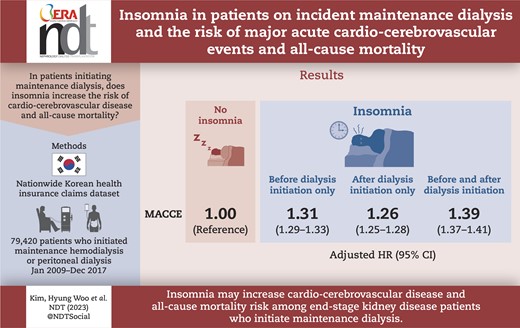
Insomnia in Patients on Incident Maintenance Dialysis and the Risk of Major Acute Cardio-Cerebrovascular Events and All-Cause Mortality
Insomnia is a known risk factor for cardiocerebrovascular disease in the general population.
An elevated risk of insomnia-related cardiocerebrovascular disease was more prominent in younger and male patients.