
11mo
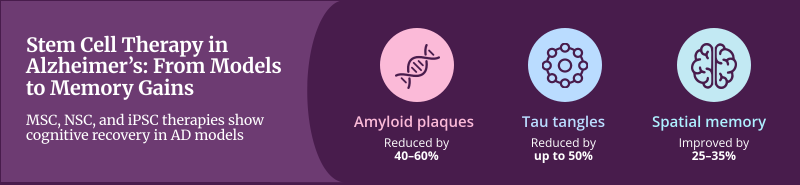
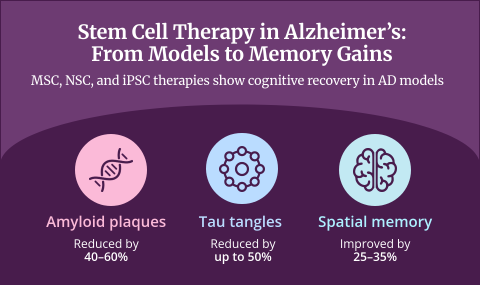



Source : https://pubmed.ncbi.nlm.nih.gov/40841318/
Having nightmares can contribute to poor sleep quality, and having sleep problems can be accompanied by increased nightmare frequency. The etiological models of insomnia and nightmare disorder also show some...
This study links poor sleep quality with elevated nightmare frequency and distress, moderated by stress and gender, supporting integration of nightmare-focused therapies such as imagery rehearsal within insomnia treatment strategies.


At AAIC 2025, the Alzheimer’s Association released the first clinical practice guidelines recommending blood‑based biomarkers for Alzheimer’s pathology assessment in mild cognitive impairment or dementia. These less invasive tests aid early diagnosis and allow timely care initiation.
Source : https://pubmed.ncbi.nlm.nih.gov/40810048/
The findings suggest that the internet-based sleep education program may be an effective and acceptable intervention for addressing sleep difficulties in children with autism spectrum disorder. This study contributes substantially...
Fun Fact! Turns out, your brain might prefer a good night’s sleep over brain teasers. A 2025 Yale-led study found that adults who spent more time in REM and deep sleep had larger volumes in Alzheimer’s-sensitive brain regions, even 17 years later.
Could targeting REM and slow-wave sleep help delay structural brain changes tied to Alzheimer’s?

Could targeting REM and slow-wave sleep help delay structural brain changes tied to Alzheimer’s?