



Sleeping through a pandemic: impact of COVID-19 related restrictions on narcolepsy and idiopathic hypersomnia
Source : https://jcsm.aasm.org/doi/abs/10.5664/jcsm.9556
To assess the impact of COVID-19 related restrictions on narcolepsy type 1 (NT2), narcolepsy type 2 (NT2), and idiopathic hypersomnia (IH). Participants with NT1, NT2 and IH followed in a...
Lower 24-h urinary potassium excretion is negatively associated with excessive daytime sleepiness in the general population - Sleep and Breathing
Source : https://link.springer.com/article/10.1007/s11325-021-02444-7
Objectives Uncertainty remains about the association of potassium (K) intake and sleepiness. Therefore, we aimed to explore the relationship between K excretion using 24-h urine samples and excessive daytime sleepiness...

Neurologic Safety Monitoring of COVID-19 Vaccines: Lessons From the Past to Inform the Present
Source : https://n.neurology.org/content/early/2021/09/01/WNL.0000000000012703.abstract
The spread of the SARS-CoV-2 virus has triggered a global effort to rapidly develop and deploy effective and safe COVID-19 vaccination(s). Vaccination has been one of the most effective medical...
Management of Sleep Disorders in Patients with Dementia
Source : https://link.springer.com/chapter/10.1007/978-3-030-77904-7_11
Sleep disorders are frequent precursors of dementia and may worsen their course. The interaction of sleep disorders and dementia is bidirectional and they share some symptoms, such as cognitive impairment...
-
Anonymous User4yrOnce dementia has developed sleep disorders such as obstructive sleep apnoea, restless leg syndrome and parasomnias Can occur
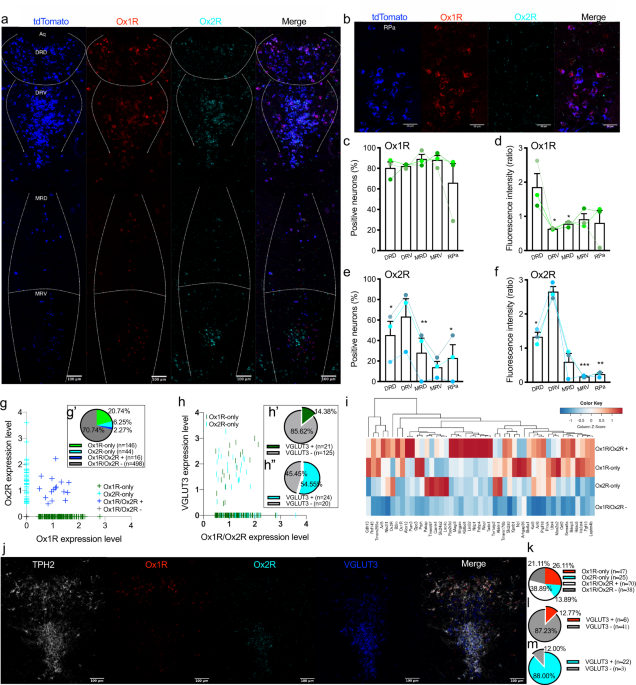
Orexin receptors 1 and 2 in serotonergic neurons differentially regulate peripheral glucose metabolism in obesity - Nature Communications
Source : https://www.nature.com/articles/s41467-021-25380-2
The wake-active orexin system plays a central role in the dynamic regulation of glucose homeostasis. Here the authors report that inactivation of the orexin receptor type 1 or 2 in...