

Sleep Disorder Connect
  • Saved
An investigation of sleep profiles in individuals with idiopathic scoliosis

An investigation of sleep profiles in individuals with idiopathic scoliosis

Source : https://sleepscience.org.br/details/3294/en-US/an-investigation-of-sleep-profiles-in-individuals-with-idiopathic-scoliosis

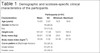
OBJECTIVE: Sleep behaviors have not been well investigated in individuals with idiopathic scoliosis (IS). This study aimed to investigate sleep quality and daytime sleepiness in individuals with IS and investigate...


Conclusion: We observed poor sleep quality and an association with pain in patients with IS. Curve magnitude had no adverse effect on sleep quality or daytime sleepiness. Therefore, the sleep profile and its association with pain should be considered during the rehabilitation process in patients with IS.

  • 4yr
    Further evaluation including sleep parameters and curve magnitude, trunk deformity severity, pain, and emotional status in adolescents with IS.
  • Saved

made a Post

Insomnia: Patient treatment & monitoring for daytime functioning

Patients with insomnia experience impairment in daytime functioning, which can impact quality of life, mood, and memory, as well as result in fatigue and work/educational impairment. Dual orexin receptor antagonists have demonstrated efficacy in treating insomnia. Daridorexant is a new type of orexin receptor antagonist; orexins are wake-promoting neuropeptides (i.e., hypocretins) that are hypothesized to dampen overactive wakefulness without resulting in sedation.

Results of two randomized-controlled, phase 3 trials, which were published in the Lancet Neurology, showed that daridorexant 25 mg and 50 mg improved sleep outcomes in insomnia patients. Furthermore, daridorexant 50 mg enhanced daytime functioning. Daridorexant improves both objective and subjective measures of sleep. Notably, the intervention was safe, with adverse events including headache and somnolence/fatigue.

Discussion questions: Which of your patients do you think are well-suited to try daridorexant? How would you monitor treatment and evaluate improvements in daytime functioning?

  • 4yr
    How would you dose your patients? What do you take into consideration?
  • 4yr
    patients who have difficulty in falling asleep and staying asleep. I would monitor by patient evaluation and physical exam.

Show More Comments

  • Saved

made a Post

Insomnia: Patient treatment & monitoring for daytime functioning

Patients with insomnia experience impairment in daytime functioning, which can impact quality of life, mood, and memory, as well as result in fatigue and work/educational impairment. Dual orexin receptor antagonists have demonstrated efficacy in treating insomnia. Daridorexant is a new type of orexin receptor antagonist; orexins are wake-promoting neuropeptides (i.e., hypocretins) that are hypothesized to dampen overactive wakefulness without resulting in sedation.


Results of two randomized-controlled, phase 3 trials, which were published in the Lancet Neurology, showed that daridorexant 25 mg and 50 mg improved sleep outcomes in insomnia patients. Furthermore, daridorexant 50 mg enhanced daytime functioning. Daridorexant improves both objective and subjective measures of sleep. Notably, the intervention was safe, with adverse events including headache and somnolence/fatigue.


Discussion questions: Which of your patients do you think are well-suited to try daridorexant? How would you monitor treatment and evaluate improvements in daytime functioning?


  • 4yr
    How would you dose your patients? What do you take into consideration?
  • 4yr
    patients who have difficulty in falling asleep and staying asleep. I would monitor by patient evaluation and physical exam.

Show More Comments

  • Saved

made a Post

Insomnia: Patient treatment & monitoring for daytime functioning

Patients with insomnia experience impairment in daytime functioning, which can impact quality of life, mood, and memory, as well as result in fatigue and work/educational impairment. Dual orexin receptor antagonists have demonstrated efficacy in treating insomnia. Daridorexant is a new type of orexin receptor antagonist; orexins are wake-promoting neuropeptides (i.e., hypocretins) that are hypothesized to dampen overactive wakefulness without resulting in sedation.


Results of two randomized-controlled, phase 3 trials, which were published in the Lancet Neurology, showed that daridorexant 25 mg and 50 mg improved sleep outcomes in insomnia patients. Furthermore, daridorexant 50 mg enhanced daytime functioning. Daridorexant improves both objective and subjective measures of sleep. Notably, the intervention was safe, with adverse events including headache and somnolence/fatigue.


Discussion questions: Which of your patients do you think are well-suited to try daridorexant? How would you monitor treatment and evaluate improvements in daytime functioning?


  • 4yr
    How would you dose your patients? What do you take into consideration?
  • 4yr
    patients who have difficulty in falling asleep and staying asleep. I would monitor by patient evaluation and physical exam.

Show More Comments

  • Saved

made a Post

Insomnia: Patient treatment & monitoring for daytime functioning

Patients with insomnia experience impairment in daytime functioning, which can impact quality of life, mood, and memory, as well as result in fatigue and work/educational impairment. Dual orexin receptor antagonists have demonstrated efficacy in treating insomnia. Daridorexant is a new type of orexin receptor antagonist; orexins are wake-promoting neuropeptides (i.e., hypocretins) that are hypothesized to dampen overactive wakefulness without resulting in sedation.


Results of two randomized-controlled, phase 3 trials, which were published in the Lancet Neurology, showed that daridorexant 25 mg and 50 mg improved sleep outcomes in insomnia patients. Furthermore, daridorexant 50 mg enhanced daytime functioning. Daridorexant improves both objective and subjective measures of sleep. Notably, the intervention was safe, with adverse events including headache and somnolence/fatigue.


Discussion questions: Which of your patients do you think are well-suited to try daridorexant? How would you monitor treatment and evaluate improvements in daytime functioning?


  • 4yr
    How would you dose your patients? What do you take into consideration?
  • 4yr
    patients who have difficulty in falling asleep and staying asleep. I would monitor by patient evaluation and physical exam.

Show More Comments